
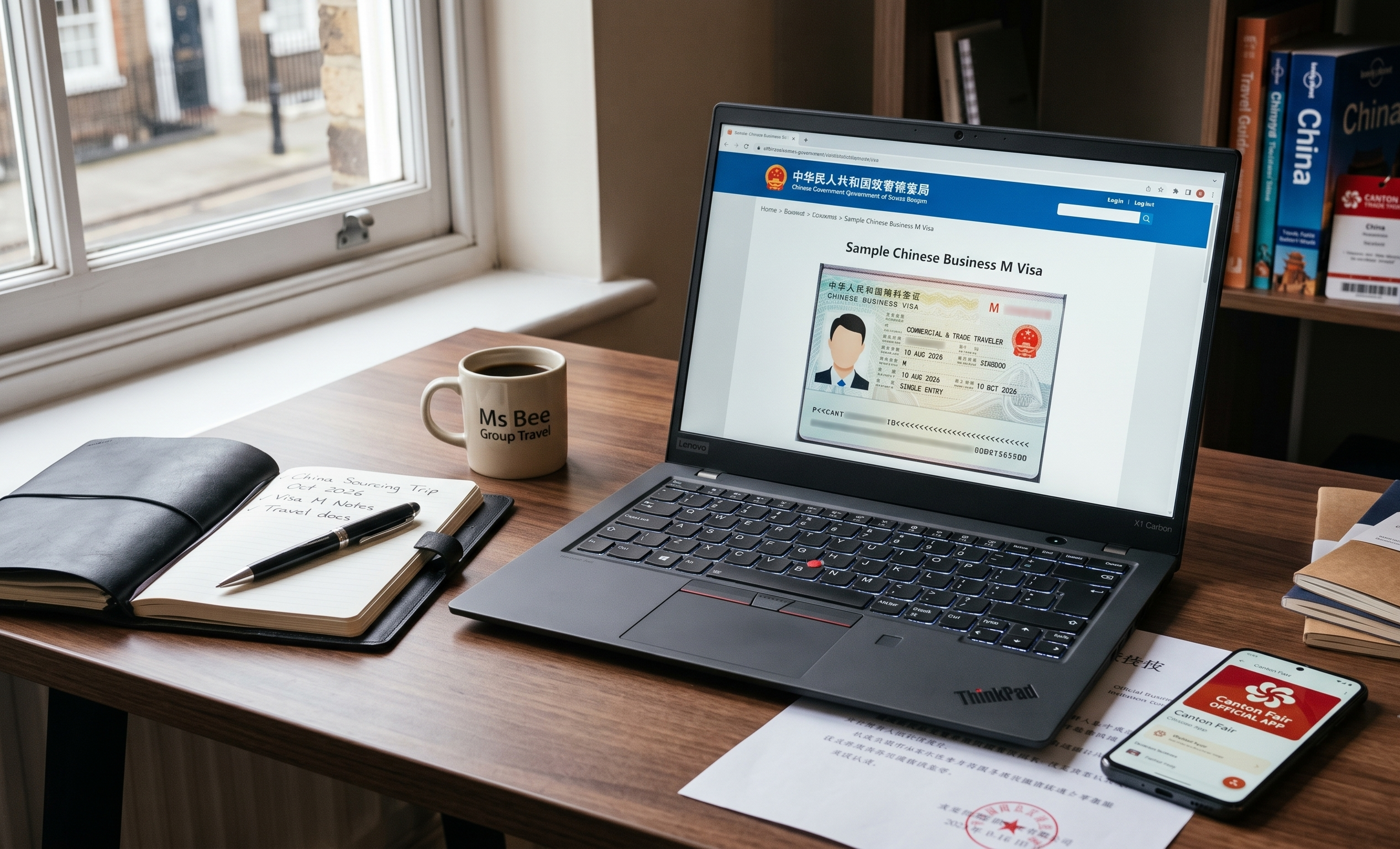

Day 2: Navigating China Business Visas
Welcome back to Day 2 of our 30-Day China Sourcing Series!
Yesterday, in Day 1, we kicked things off with product research—exploring how mapping out your specs (like paper weight, binding, and materials) gives you an edge before you ever speak to a factory. Today, we’re pivoting to a critical operational step: getting the correct visa so you can enter China legally for business. Do not attempt to travel on a Tourist visa to undertake business or trade shows in China. Doing this if caught wcan land you a 10 000 yuan fine, confiscation of products, deportation at immigration with your L visa, and or banned from making future applications.
Whether you are touring factories, attending trade shows, or meeting manufacturers in wholesale markets, you need to aplly for the correct visa type and here is some info about applying for your Business (M) Visa.
1. What is the M Visa?
VIsa type M Visa on the application form is the official visa type issued by the Chinese government for commercial and trade activities.
While some travelers make the mistake of entering on a standard Tourist (L) Visa, using a tourist visa for commercial negotiations or trade shows can cause issues if queried at border control or during registration. If your goal is sourcing, the M Visa is the correct, compliant path.
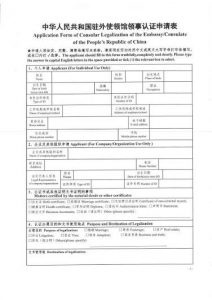
2. Single Entry vs. Multiple Entry Visas
When filling out your Chinese Visa Application Form (COVA), you will be asked to select your required entry allowance:
Single Entry: Valid for one entry within a 3 to 6-month window from the issue date. Ideal if you are taking a one-off trip (like our upcoming October trip!).
Average Standard Embassy Fees: Government consular fees generally range from $130 to $140 USD / £130 GBP for standard applications for US and UK passport holders. Other nationalities may see lower or tiered base rates depending on local consulate agreements.
Double Entry / Multiple Entry: Allows you to enter and leave mainland China multiple times within a 6-month, 1-year, or multi-year period. This is perfect if you plan on visiting China several times a year or stepping out to Hong Kong or neighboring trade hubs between factory visits.
3. How Much Does an M Visa Cost?
Visa fees vary based on your citizenship, the country you are applying from, and the number of entries requested.
Average Standard Embassy Fees: Government consular fees generally range from $130 to $140 USD / £130 GBP for standard applications for US and UK passport holders. Other nationalities may see lower or tiered base rates depending on local consulate agreements.
Service & Processing Fees: If you apply through an official Chinese Visa Application Service Center (CVASC) or use a third-party visa service agency, additional administrative/service fees will apply.
💡 Important Note: Always look up the official Chinese Visa Application Service Center (CVASC) website or embassy page specific to your home country to check exact pricing breakdown, local processing times, and accepted payment options before submitting!
-
4. The TE Invitation Letter: Who Can Issue It?
- To get an M Visa, you must submit an official Invitation Letter from a Chinese business entity or host partner.
- This letter must come from an authorized person or official issuer in China and must include their business registration details, official company stamp (red seal), and contact information.
Valid issuers include:
Major Trade Fairs: Official invitations issued directly by major events like the
Canton Fair,( Sample invitation letter below)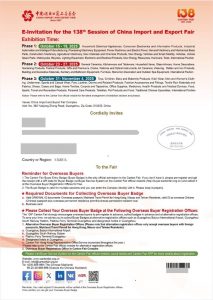
Direct Suppliers & Manufacturers: Established factories or companies you have built relationships or conducted business with.
Alibaba / Online Manufacturers: Suppliers you have researched or produced goods with through platforms like Alibaba—provided they are a registered, legally authorized business entity in China capable of issuing official business invitations.
Overview: What to Expect on the COVA Application
1. Personal & Identity Details
Full Name & Passport Information
Former Names, Aliases, & Citizenship History
National ID & Personal Contact Information
2. Employment & 5-Year Work History
Current Job Title, Employer, & Income
Detailed 5-Year Work History (No Gaps Allowed)
3. Educational Background
Post-Secondary Degrees, Institutions, & Dates Attended
4. Family Information
Spouse, Parents, & Children Details
Declaring Relatives Currently Living in China
5. Sourcing Itinerary & Inviting Host Details
Travel Dates & City-by-City Itinerary
Host Company Info: Canton Fair, Supplier, or Manufacturer Details
Emergency Contacts & Trip Funding (Who’s Paying?)
6. Travel History & Prior Visas
Past Trips to China & Previous Chinese Visas Held
All Countries Visited in the Last 5 Years
7. Background & Security Declarations
Legal, Military, & Special Skills Disclosures
Key Tips for a Flawless Application
Matching Passport Spelling Exactly
Handling “Not Applicable” Fields Correctly
✈️ Join Us in China: October Canton Fair Trip!
Navigating visa paperwork, invitations, and itineraries on your own can feel daunting—which is why we do it together!Our spaces are still open for our October Canton Fair Group Sourcing Trip! We guide our group through trade fair navigation, market visits, and on-the-ground supplier introductions so you can focus strictly on growing your business.👉 Need Custom, Personal Guidance? If you aren’t ready for the group trip or want tailored, private advice for your specific product range, we also offer 1-on-1 Sourcing Strategy Sessions on our platform for £250.
What’s Coming Next?
Now that your visa is sorted, how do you actually pay suppliers, buy samples, and cover daily expenses while on the ground in China?Stay tuned for Day 3, where we’ll break down Payment Methods in China—covering local digital wallets, card usage, and handling cash like a pro!Got questions about getting your M Visa invitation letter? Drop your comments below! or stay connectd on our platforms: