

Becky
Travel to China : Part 4 of 31 High Value Payments & Currency Guide
1. Beyond Alipay -Cash Advice: Getting RMB Safely in China
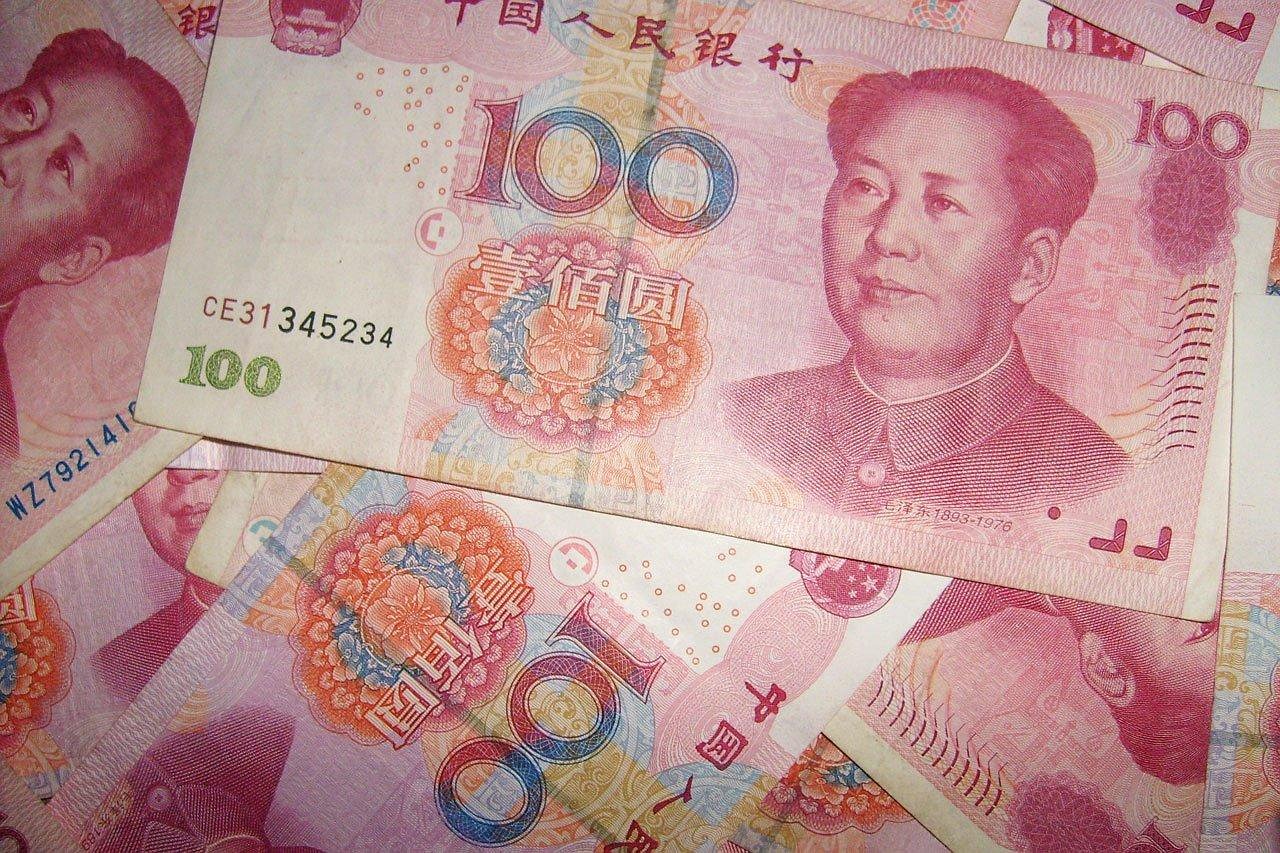
While China is largely cashless, having 500 to 1,000 RMB in physical cash is essential for emergencies, small tipping, or remote market stalls.
-
Where to Exchange: Always exchange money at authorized banks (e.g., Bank of China, ICBC) or licensed Bureau de Change counters at international airports and major hotel lobbies.
-
Avoid Unofficial Exchanges: Never exchange cash with unauthorized street brokers or unverified booths to avoid counterfeit bills or illegal conversion rates.
-
ATM Withdrawals: You can withdraw cash directly from major bank ATMs in China using foreign cards (Visa/Mastercard), but notify your home bank beforehand to prevent card blocks.
2. Top 5 Money Transfer Methods for Large Supplier Orders
When paying for large inventory purchases, sample developments, or factory deposits, here are the top 5 secure channels:
1. Telegraphic Transfer (T/T / International Wire Transfer)
-
Best For: Standard bulk production orders with established suppliers.
-
How It Works: A direct bank-to-bank wire transfer sent via the SWIFT network into the supplier’s corporate account (Hong Kong or Mainland Business Account).
-
Common Terms: Standard payment terms are 30% deposit before production begins and 70% balance payment after inspection/before shipment.
2. Alibaba Trade Assurance
-
Best For: First-time orders or sourcing via Alibaba suppliers.
-
How It Works: Alibaba acts as an escrow service. They hold your payment until you inspect and confirm that the goods meet the agreed quality and shipping timelines before releasing funds to the factory.
3. Wise Business (formerly TransferWise)
- Wise is a global technology company that’s building the best way to move money around the world. More than 10 million people and businesses have stopped using banks, PayPal and traditional providers, because Wise offers a cheaper, faster and easier solution.
-
Best For: Transparent exchange rates and fast transfers.
-
How It Works: Wise uses the real mid-market exchange rate with no hidden markups, allowing you to pay Chinese suppliers in USD, HKD, or CNY directly to their bank accounts.
4. OFX
-
Best For: High-value transactions ($10,000 USD / £10,000 GBP+).
-
How It Works: A dedicated currency broker service offering locked-in forward exchange rates and lower FX margins, saving thousands on large container-load transfers.
5. Letter of Credit (L/C)
-
Best For: Very large orders ($50,000+) with new or unverified manufacturers.
-
How It Works: Your bank guarantees payment to the supplier’s bank only after the supplier provides official shipping documents, bills of lading, and quality inspection certificates.
3. The Security & Protection Benefits of These Methods
Why avoid paying large orders via personal apps or unverified channels?
-
Buyer Protection & Recourse: Platforms like Trade Assurance and Letters of Credit give you legal leverage and escrow protection if a supplier sends defective goods or misses ship dates.
-
Fraud Prevention: Official bank transfers (T/T, Wise, OFX) require Verified Business Bank Accounts (KYC/KYB), preventing you from accidentally sending money to fraudulent personal accounts or scams.
-
Tax & Customs Compliance: Sending funds through registered business financial channels provides official commercial invoices and payment receipts necessary for legal customs clearance and corporate tax deductions back home.
Navigating Cash & Currency Exchange in China
While mobile payment apps like Alipay and WeChat Pay power everyday life across China, having physical Cash (Renminbi / RMB) on hand remains essential for backup payments, small vendors, or unexpected emergency stops.
When converting your home currency into Chinese RMB, following proper procedures will protect you from counterfeit bills and ensure a smooth financial experience.
🏛️ Where to Exchange Cash Safely
Always use official, authorized financial institutions to process your currency exchange:
-
Authorized Commercial Banks: Exchange your cash at official bank branches displaying the green “EXCHANGE” sign. Major state-owned institutions include Bank of China, ICBC (Industrial and Commercial Bank of China), and China Construction Bank.
-
Airport & Hotel Exchange Counters: Licensed Bureau de Change kiosks located at international arrival airports, ports, or authorized reception desks in major international hotels offer convenient conversion options.
-
Self-Service Machines: Modern international airports and trade hubs often feature authorized self-service currency exchange machines that accept major foreign banknotes.
💡 Traveler Tip: To exchange currency at a bank or official counter, you will need to present your valid original passport as identification.
⚠️ Avoid Unofficial Street Brokers
Never exchange money with unauthorized street brokers, unverified sidewalk booths, or informal individuals offering “discounted” rates near markets or transit stations.
Using unauthorized brokers exposes you to significant risks, including:
-
Receiving counterfeit currency bills.
-
Getting unfair, non-standard exchange rates or hidden fees.
-
Engaging in illegal currency conversion activities under local regulations.
📜 Hold Onto Your Foreign Exchange Receipts!
When your currency exchange is processed through an authorized bank or kiosk, you will receive an official Foreign Exchange Receipt (Settlement Slip).
Do not throw this document away!
If you have unused RMB cash at the end of your trip, you are required to present this original receipt at the airport or bank counter to convert your remaining RMB back into your home currency before departing China. Without this receipt, financial institutions may refuse to convert your leftover physical cash.
Happy travelling and dont forget to leave a comment if you found this helpful.